Top Pressed Powders for Acne-Prone Skin: A Guide
Intro
Navigating the world of beauty products can often feel like wading through a minefield, particularly for those with acne-prone skin. The right pressed powder can serve as a game-changer, providing coverage while also being gentle enough not to exacerbate existing skin issues. This article aims to demystify the selection process by focusing on what factors to consider when choosing a pressed powder, particularly for skin that tends to be more sensitive or prone to breakouts.
Understanding which products will work harmonously with your skin type is crucial. From the ingredients used to the way a product is applied, every detail matters. This guide will cover essential aspects, including ingredient analysis, recommended brands, and effective application techniques tailored for acne-prone skin. By the end of this journey, you'll have a thorough grasp of how to achieve that coveted flawless finish without adding fuel to the fire of acne irritation.
Tackling this topic seriously is vital. A seemingly benign pressed powder can sometimes usher in a fresh wave of face woes if it's not compatible with your skin's unique needs. The objective is not just about aesthetic perfection—it's also about maintaining skin health and understanding the complex relationship between the two.
This article isn't just for makeup enthusiasts; it's also for anyone who’s fed up with the struggles of matching makeup with more sensitive skin types. By exploring the right formulations, you'll be empowered to make informed decisions, ensuring your makeup routine complements rather than complicates your skin's natural balance.
Understanding Acne-Prone Skin
When it comes to selecting the right pressed powder, understanding acne-prone skin is crucial. This skin type has unique challenges that generate specific needs in cosmetic products. A pressed powder should not merely be a superficial layer but must work harmoniously with the skin’s condition.
Acne-prone skin requires ingredients that do not clog pores, or as it's more commonly known, non-comedogenic. Moreover, individuals with this skin type often have to contend with sensitivity, making it vital to steer clear of harsh chemicals that could aggravate breakouts. The following sections will explore how to define acne-prone skin, pinpoint its common causes, and observe its interactions with various products. Each of these aspects plays a significant role in the effectiveness of the pressed powder one chooses.
Defining Acne-Prone Skin
Acne-prone skin can be described as a condition where the skin is more susceptible to the formation of pimples, blackheads, and other blemishes. This can often happen due to hormonal fluctuations, excessive oil production, and bacteria on the skin’s surface. Sometimes, external factors such as environmental stressors or dietary choices can also contribute. However, it’s important to note that everyone has different triggers, and the degree may also vary.
To characterize skin as acne-prone, one might look for several indicators: frequent breakouts, large pores, and a tendency toward greasiness. Knowing how one's skin behaves is the first step in addressing its needs.
Common Causes and Triggers
Acne-prone skin has numerous culprits that contribute to breakouts. One of the primary factors includes hormonal fluctuations, which can signal oil glands to produce more sebum. This can lead to clogging of pores, forming acne. Additionally, a poor diet heavy in sugars and dairy can intensify the situation.
Other aspects can include:
- Stress: It can send your skin into overdrive, leading to flare-ups.
- Heavy Makeup and Poor Removal: Failure to properly cleanse at the end of the day can cause debris to build up.
- Humidity and Weather Changes: Both can affect oil production and skin moisture levels.
Being aware of these triggers not just shines a light on potential disturbances but also aids in selecting products that can mitigate these effects.
Skin Sensitivity and Product Interaction
Another critical consideration for those with acne-prone skin is sensitivity. This skin type often reacts unfavorably to certain ingredients, leading to redness, irritation, and more breakouts. Some may find that products labeled “gentle” still contain elements that don't agree with their unique skin chemistry.
When trying out a new pressed powder, it’s not just about how it looks on the surface; how it interacts with the skin is equally vital. It might be worth looking for products with soothing ingredients like aloe vera or chamomile. Moreover, establishing a routine that includes patch testing new products can help catch any adverse reactions before the full application.
Ultimately, when delving into the complexities of acne-prone skin—recognizing its traits, understanding its triggers, and noting its sensitivities—sets the foundation for making informed decisions on pressed powders. Each choice contributes to not only achieving a beautiful look but also maintaining healthy skin.
Criteria for Selecting Pressed Powders
Choosing the right pressed powder when grappling with acne-prone skin is anything but straightforward. With a mind-boggling array of products parading their benefits, it’s crucial to sift through the noise and pinpoint what truly matters. A keen awareness of key criteria can save not just your skin, but also your sanity as you embark on this journey. Here’s what to keep in mind.
Non-Comedogenic Formulations
To kick things off, it is vital to select pressed powders that are non-comedogenic. This term, while a mouthful, essentially means that the product is designed not to clog pores. When pores get plugged, they become breeding grounds for breakouts, which is the last thing anyone with acne-prone skin wants!
- Look for Labels: Make a habit of scouring product labels for the non-comedogenic stamp of approval. Brands often flaunt this term, and for good reason—it’s an assurance that they’ve considered your skin’s unique needs.
- Know Your Ingredients: Familiarize yourself with ingredients that might stir up trouble. Heavy oils and certain waxes can be sneaky culprits in many formulas. Stay sharp and read ingredient lists carefully.
Oil-Free vs. Moisture-Rich Options
The great debate between oil-free and moisture-rich options is akin to choosing between chocolate and vanilla. Both have their merits, but the right pick depends on your skin type and what it craves at the moment.
- Oil-Free Powders: These are a go-to for anyone battling excess oil or shine. They often feature matting agents that help absorb oil throughout the day, reducing the likelihood of breakouts. However, if your skin leans towards the dry side, these might exacerbate dryness even more.
- Moisture-Rich Powders: On the flip side, moisture-rich options can provide that much-needed hydration without feeling overly heavy. These tend to incorporate skin-loving ingredients that soothe and nourish as they cover, making them ideal for those with dry patches or sensitivity. The challenge is to find a formula that delivers hydration without omitting the non-comedogenic ticket.
Matte vs. Radiant Finish
Now, the finish of your pressed powder can have a significant impact on your overall look and feel. With several formulas offering a matte versus a radiant finish, understanding your desired aesthetic is essential.
- Matte Finish: If you aim for a more polished and refined appearance, a matte powder may be your best bet. It can tone down shine, creating an appearance of smoother skin, which many with acne-prone skin appreciate. Yet, beware! Sometimes these products can come off as flat or chalky if not applied judiciously.
- Radiant Finish: Alternatively, radiant finishes infuse a soft glow to the skin, which can be beneficial for those looking to liven up their complexion. However, for those with oily areas or active breakouts, this type can potentially draw attention to imperfections instead of obscuring them. Balancing this shine is key; strategically placed radiant powders can highlight your features perfectly.
Remember, the best pressed powder is one that aligns with your skin’s unique needs and personal preferences. Choosing wisely can set the stage for a comfortable, confident day ahead!
Key Ingredients to Look For
Selecting a pressed powder for acne-prone skin involves more than just choosing a pretty packaging; it's about assessing which ingredients will work in harmony with your skin. In this section, we explore the key components that can make or break your makeup regime. Understanding the influence of ingredients on your skin can lead to thoughtful decisions that not only enhance your look but also nourish and protect your complexion.
Salicylic Acid and Its Benefits
Salicylic acid has earned its place in the skincare hall of fame, especially for those battling blemishes. This beta-hydroxy acid is famed for its ability to penetrate pores deeply, eliminating dead skin cells and unclogging them from the inside out. For acne-prone individuals, this is crucial. Regular use of salicylic acid can help prevent future breakouts while soothing existing ones. It’s worth noting that while salicylic acid can provide great results, the concentration matters; a little goes a long way.
Pairing pressed powders containing salicylic acid with a consistent skincare routine may foster clearer skin over time. However, it's essential to be mindful of skin sensitivity. Always start with lower concentrations, giving your skin a chance to adjust before diving into higher doses.
Natural Extracts for Soothing Skin
Mother nature has a treasure trove of soothing agents that can work wonders on sensitive, acne-prone skin. Ingredients like chamomile and green tea are not just herbs; they possess anti-inflammatory properties, reducing redness and irritation. Chamomile works to calm the skin and has been used for centuries for its gentle, comforting qualities. Green tea, on the other hand, is loaded with antioxidants which combat oxidative stress and may even help mitigate sebum production.
Incorporating pressed powders with these extracts can serve to balance out the skin’s natural oil production while offering a touch of healing. When shopping around, check the ingredient list for these soothing agents, especially if your skin tends to reactive. Sometimes, a little nature can go a long way in easing the skin’s discomfort.
Mineral vs. Chemical Ingredients
The debate between mineral and chemical ingredients is ongoing, and both sides bring valid points to the table. Mineral powders, often lauded for their simplicity, typically contain zinc oxide and titanium dioxide. These elements not only provide coverage but also act as natural sunscreen blockers. They sit atop the skin’s surface, making them less likely to clog pores—excellent for those who break out easily.
Conversely, chemical ingredients usually provide a lighter texture and are often more seamless in application. However, they can be harder to identify in terms of skin compatibility. Some chemical components can potentially irritate sensitive skin, leading to an increase in breakouts.
Finding a balance that suits you is key. Understanding how your skin reacts to each will enable you to choose wisely. Always consider patch testing a new product, whether mineral or chemical, as this can save you from future aggravation.
“Choosing the right ingredients is not just a matter of preference; it's about playing the long game for your skin health.”
Navigating the ingredients in pressed powders can feel like traversing a minefield, but being armed with information helps to make smarter selections. A product that works wonders for one person may not stack up for another. Thus, paying attention to the ingredient list is the best strategy for those with acne-prone skin.
Top Brand Recommendations
When it comes to picking the right pressed powder for acne-prone skin, the brands you choose can make all the difference. Each brand offers various formulations, ingredients, and user experiences that can significantly affect how well the product performs on sensitive skin. Understanding these differences is essential because not all powders are created equal.
Top brands usually have their specialties, addressing particular skin concerns while considering efficacy and user comfort. As you sift through options, consider factors such as ingredient composition, the popularity of the product among users, and the feedback from dermatologists. Getting to know these elements helps you not only in finding a product that works but one that fits your lifestyle and skin health goals.
Learn more about some of the standout brands in this space which are engineered specifically for managing acne and preventing further breakouts.
Brand A: Features and User Insights
Brand A has made a name for itself with a loyal clientele who swear by its pressed powder. Users praise its lightweight texture, giving a natural finish that doesn’t appear cakey or heavy on the skin. It boasts a formula that absorbs excess oil, which is a crucial feature for those who struggle with shine throughout the day. With ingredients that aim to combat acne, like kaolin clay, it keeps the skin feeling fresh while providing the coverage needed to conceal imperfections.
Users often highlight the longevity of this pressed powder. Many report that it stays put for hours without needing touch-ups, a boon for those with busy schedules. A consistent theme in reviews is the way it feels soft on the skin yet offers solid coverage. However, some consumers astutely note that though it's non-comedogenic, everyone’s skin is unique; therefore, it’s essential to monitor how your skin responds.


Brand B: A Closer Look at Formulation
Brand B differentiates itself with a focus on dermatologically tested formulations. This brand champions the idea of skin-soothing properties in its pressed powder lineup. Being oil-free won't just keep your face from looking shiny; it also ensures that the powder won't exacerbate any existing skin issues. Ingredients like salicylic acid are incorporated, allowing for oil control while simultaneously treating acne.
Furthermore, seasonal changes, humidity, and stress can affect your skin. Therefore, Brand B’s powder adapts well, holding up during fluctuations in weather and skin condition. Users have shared their experiences, often noting a noticeable improvement in overall skin texture after consistent use. Their feedback suggests not just satisfaction with the product but also an appreciation for how well it integrates into their daily skincare regimens.
Brand C: Why It Stands Out
Brand C is often spotlighted for its commitment to cruelty-free and environmentally friendly products. This brand is like a breath of fresh air in a crowded market, winning over users who value sustainability. Their pressed powder confidently features natural ingredients such as mineral pigments that provide excellent coverage without blocking pores. This aspect is particularly appealing to anyone worried about the effect of makeup on their sensitive skin.
What makes it even more remarkable is the broad range of shades available, allowing users to find their perfect match easily. Positive reviews regularly come from users who appreciate the inclusivity and effective coverage that maintains a radiant finish instead of a dull, matte look.
Application Techniques for Best Results
When it comes to pressed powders, the way you apply them can make all the difference, especially for those wrestling with acne-prone skin. Simply slapping the powder on won’t cut it; instead, the application techniques you choose can enhance your skin’s natural beauty and prevent aggravating those pesky blemishes. Getting the application right means being mindful of your tools and techniques, which can significantly affect not just how your makeup looks, but how it performs throughout the day.
Using the Right Tools
Brushes
Brushes can be a game changer in pressed powder application. The soft bristles of a quality brush gently buff the powder into the skin, providing a seamless finish. The unique characteristic of brushes is their ability to distribute product evenly, resulting in a more polished look. Moreover, there's quite a variety in brush types; a large, fluffy brush can create a light dusting, while a denser brush may provide more coverage. Just be cautious—if you pick the wrong brush, you might end up disturbing the base makeup underneath.
Some benefits of using brushes include:
- Even Coverage: They help in avoiding patches by distributing the powder uniformly.
- Light Application: Great for those who prefer a more natural look without piling on product.
- Versatility: Different brush shapes can create different finishes.
However, if care isn’t taken, brushes can harbor bacteria—so a good cleaning routine is crucial.
Sponges
On the other hand, sponges offer a different type of application. They provide a firmer press against the skin, which can result in fuller coverage. A key characteristic of sponges is their ability to absorb some of the product, which might sound like a downside, but can actually result in a more flawless finish. They’re particularly useful for targeted areas, like blemishes or redness, where a bit more coverage is desired.
Unique features of sponges include:
- Buildable Coverage: They allow you to layer and build on areas that need more attention.
- Blendability: This type of tool enables seamless blending into the skin without excessive product build-up.
Yet, much like brushes, sponges can trap dirt and oil, which can be detrimental for acne-prone skin if not regularly cleaned.
Layering and Building Coverage
Layering technique is another skill to master when working with pressed powders. Start with a light layer to set your foundation, allowing the skin to peek through. It’s important to let the initial layer settle before considering additional coverage - otherwise, you might be left with a cakey texture that draws attention to imperfections instead of smoothing them out. Building your coverage gradually can offer a more natural finish, ensuring that the product enhances, rather than overtakes, your skin’s appearance.
Setting Your Makeup for Longevity
Finally, setting your makeup for durability is vital. The right pressed powder can make your makeup last longer, eliminating shine throughout the day. Applying a bit more powder in areas that tend to get oily can keep excess shine at bay. If you're using a setting spray or additional products, ensure compatibility; layering incompatible products may cause your makeup to break down, resulting in a lackluster finish.
Taking time to understand how each technique works with different tools can empower you to perfect your application. It ultimately becomes a blend of art and science, and with the right practices, achieving a beautiful finish becomes effortless.
Allergies and Sensitivities
When it comes to makeup, especially for those with acne-prone skin, the topic of allergies and sensitivities cannot be overstated. The delicate nature of sensitive skin means that even the slightest irritant can lead to breakouts, rashes, or worse. Therefore, understanding the ingredients in pressed powders is paramount. Not just for the sake of achieving a good look, but also to maintain skin health.
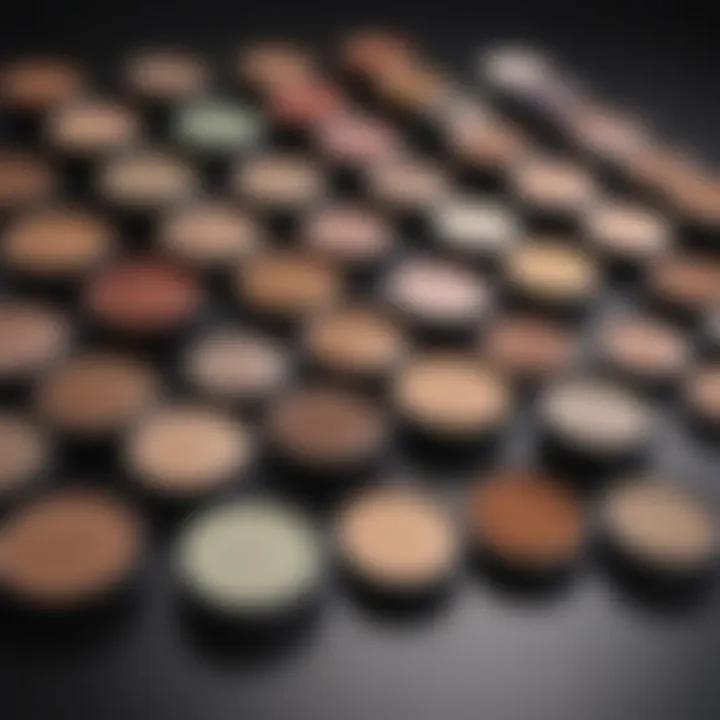
Many pressed powders are packed with various chemicals and compounds, some of which may not agree with your skin. A product that advertises itself as “gentle” might contain ingredients that trigger a reaction.
Identifying Allergens in Ingredients
To ensure that your choice in makeup keeps your skin happy, it's essential to adopt a detective's approach. Start by familiarizing yourself with common allergens and irritants often found in pressed powders:
- Fragrances: Often used to enhance the appealing scent of a product, synthetic fragrances can be a common culprit for skin irritations.
- Parabens: These preservatives help prolong shelf life but can also lead to allergic reactions.
- Alcohol: Used for its drying effect, it can aggravate sensitive skin, leading to more breakouts.
Familiarity with these components can help you scrutinize labels more effectively. Seek products that display clear ingredient lists, avoiding overly complex jargon that might obscure harmful inclusions. By cross-referencing with resources like Wikipedia or community insights on Reddit, you can make more informed decisions about what to use on your skin.
Patch Testing New Products
Before diving headfirst into new pressed powders, always consider patch testing. This quick but effective method involves applying a small amount of the product to a discreet area of skin, such as behind the ear or on the inner forearm. Observe how your skin reacts over 24 to 48 hours.
Why is this important? Here are a few solid reasons:
- Prevention: Avoids the risk of a full-face flare-up should you be sensitive to a particular ingredient.
- Customization: Allows you to discover which products truly suit your skin type before investing in larger quantities.
- Confidence: Knowing your makeup won't cause discomfort lets you apply with ease.
In short, both identifying allergens within product formulations and the practice of patch testing are integral to a mindful makeup routine. They not only empower users but also fend off unnecessary skin disasters. By keeping these factors in mind, you can curate a cosmetic collection that prioritizes both beauty and skin health.
The Role of Proper Skin Care
When it comes to acne-prone skin, the choices we make in skin care can make a world of difference. Proper skin care acts as the foundation for everything that follows, especially when we talk about using pressed powders and makeup. It's not just a matter of slapping on some product and hoping for the best; it requires a thoughtful approach to cleansing, moisturizing, and exfoliating, all of which work together to create a healthy canvas.
Cleansing for Acne-Prone Skin
Cleansing is perhaps the most crucial step in any skin care routine, particularly for those with acne-prone skin. The goal here is to remove dirt, oil, and impurities that could lead to breakouts. However, it’s essential that the cleansing method and products you choose are gentle yet effective.
Using a foaming gel cleanser or a cream cleanser can be helpful, as these formulations can target excess oil without stripping the skin of its natural moisture. A product containing benzoyl peroxide or salicylic acid can be beneficial in combating breakouts, but overuse may irritate the skin, exacerbating the problem.
Final Thoughts
In the quest for the perfect pressed powder suitable for acne-prone skin, it is essential to synthesize all the information gathered throughout this article. The significance of this section lies in emphasizing not just the importance of product choice but also the broader impact of maintaining skin health. It serves as a mental bookend that ties together your understanding of skin needs and product functionalities, paving the way for informed decision-making.
When selecting the right pressed powder, several key elements must be considered:
- Understanding Individual Skin Needs: Each person has a unique skin type and specific triggers for their acne. Identifying individual skin needs is paramount, as it will guide you in choosing the most suitable products.
- Ingredient Awareness: Being knowledgeable about ingredients such as salicylic acid or natural soothing extracts equips you to make choices that can actively benefit your skin instead of aggravate it.
- Application Techniques: Proper application can transform the effectiveness of a pressed powder. The right tools and layering methods not only enhance the look but ensure that your skin remains healthy.
The right pressed powder can greatly improve not only the aesthetics of your skin but also contribute positively to its long-term health. Thus, it’s crucial to merge beauty with skin care, recognizing that the two should never be at odds.
Evaluating Your Choices
In evaluating your options, it becomes vital to approach this with thorough consideration. Start by compiling a list of pressed powders that align with your specific skin type and concerns. Ask questions such as:
- Does it contain non-comedogenic ingredients?
- Is it oil-free or suitable for moisture retention?
- How does it promise to enhance my skin’s appearance?
A practical approach involves reading reviews and seeking firsthand experiences from those with similar skin issues. Joining communities on platforms like Reddit can provide you with a myriad of insights from real users, guiding you toward informed choices.
Consider setting aside a small budget to try sample sizes of different powders. This way, you can see how they interact with your skin before committing to a full-sized product.
Staying Updated on New Products
Keeping abreast of new products in the beauty market is a journey in itself. The industry continually churns with innovative formulations, particularly aimed at those with sensitive or problematic skin. Following beauty blogs, subscribing to skincare newsletters, and engaging in discussions on social media can help you stay informed about the latest breakthroughs in pressed powders.
Make a point to regularly check updates on trusted resources like en.wikipedia.org or britannica.com. They often have sections related to cosmetic advancements and skincare research that can enlighten your understanding.
Moreover, participate in beauty forums and groups on platforms like Facebook to explore user-generated content and reviews about new entries in the market.
In summary, marrying product knowledge with proactive approaches will empower you to navigate the world of pressed powders effectively. This way, you can maintain your skin health while enhancing your beauty regime, ensuring a flawless finish that complements your unique skin journey.