Stylish Wedding Guest Outfits for Women: A Complete Guide
Intro
Navigating the world of wedding guest outfits can often feel like walking through a minefield. One misstep and you might find yourself underdressed, overdressed, or worse, inadvertently disrespecting the couple's wishes. Yet, dressing for a wedding shouldn't be just about following rules; it's also an opportunity for self-expression.
As the saying goes, "Dress for the job you want, not the one you have." In the context of weddings, it's about showcasing your personal style while adapting to the specific nuances of the occasion. Every wedding has its own vibe—be it formal, casual, or somewhere in between. This guide aims to shed light on the myriad options available, ensuring that you can step into the celebratory atmosphere with confidence and flair.
In the sections that follow, we'll dissect the latest fashion trends and style guidelines that are making waves in the wedding scene. Additionally, we’ll delve into seasonal styling tips that resonate with current themes and palettes, and even explore what celebrities are donning on their special days.
Finally, we’ll touch on the finer details—accessories that can elevate your look and provide hints on how to tie your outfit together seamlessly. By the time you finish reading, you'll be equipped with the knowledge to make an informed choice, honoring both your style and the spirit of the event.
Understanding Wedding Attire Norms
When it comes to attending weddings, deciphering the dress code is key to making a positive impression. Understanding wedding attire norms helps women to navigate the complex web of expectations surrounding formal events. This section delves into the intricacies that govern what a guest wears, ensuring that attendees respectfully honor the occasion while showcasing their personal style.
Cultural Considerations in Wedding Dressing
Every culture has its own unique traditions when it comes to wedding attire. In some regions, bright colors symbolize joy and happiness, while in others, solemn tones are preferred as a sign of respect. For example, in many South Asian weddings, wearing vibrant colors and intricate patterns is the norm, reflecting happiness and festivity. On the other hand, in certain European cultures, opting for muted shades is customary to show reverence.
Additionally, being aware of cultural symbols can help avoid unintentional faux pas. For instance, wearing red in a Chinese wedding is seen as auspicious, while in some Western contexts, this shade might be reserved for the bride herself. As such, it’s vital for women to consider the cultural implications of their outfit selections, which can foster a deeper appreciation for the event being celebrated.
Traditions vs. Contemporary Trends
The landscape of wedding attire has significantly evolved over the years. Traditionally, women were expected to wear elegant dresses that adhered to specific guidelines based on formality and the couple’s preferences. Today, with contemporary trends in play, there's a noticeable shift towards more relaxed interpretations of wedding attire.
For example, the once-standard long gown at evening weddings is now often replaced by chic cocktail dresses or even tailored jumpsuits. This shift opens up a world of possibilities for bridesmaids and guests alike, promoting individuality and expression.
However, while embracing modern trends, it's essential for guests to respect the couple's vision for their wedding day. That means striking a balance between personal style and the traditional elements that honor the seriousness of such a significant event.
In sum, understanding wedding attire norms is not just about following a dress code; it's an opportunity to celebrate cultural nuances and blend them with modern fashion sensibilities. Making informed choices reinforces the shared significance of the celebration, ensuring that everyone contributes to an atmosphere of joy and respect.
"The art of dressing for weddings lies in the ability to strike a delicate balance between expressing individuality and honoring the couple's special day."
For further insights into cultural dressing norms, you might visit Wikipedia and explore articles about global wedding traditions and attire.
Decoding the Invitation
Understanding a wedding invitation can be a little like reading a treasure map. Each detail holds significance, guiding you toward what attire is suitable for the celebration. Analyzing the invitation is essential not just for choosing the right outfit, but also for grasping the atmosphere and expectations surrounding the event. In this section, we’ll delve into two key aspects of decoding the invitation: recognizing the dress code and interpreting the levels of formality.
Reading the Dress Code
Dress codes can range from "casual" to "black tie" and everything in between. Often, the specific wording on an invitation will shed light on what is expected. A phrase like "formal attire" signals the need for elegant dresses or sophisticated suits, while "casual attire" opens the door for more relaxed styles.
Here are some common dress codes you might encounter:
- Black Tie: Long evening gowns or elegant cocktail dresses, possibly paired with heels. Men typically wear tuxedos.
- Formal: Similar to black tie, but may allow for floor-length or polished cocktail attire, with stylish suits for men.
- Semi-Formal: Slim-fit dresses or sophisticated knee-length outfits are suitable here, with a slight edge towards less restrictive formal wear for men.
- Cocktail: Short, flirty dresses work well; think fun prints and lively accessories.
- Casual: A loose maxi dress or stylish jumpsuit is acceptable, but steer clear of flip-flops.
Each dress code sets the tone for the day and can help prevent the discomfort of showing up over- or underdressed.
"Dress codes are guidelines, not just rules to follow. They help set expectations while allowing room for personal expression."
Interpreting Formality Levels
The formality level of a wedding extends beyond the dress code. It encompasses the overall vibe of the celebration, including the venue, time of day, and even the couple’s personal style. For instance, a daytime wedding at a rustic farm will likely be more relaxed than a grand evening affair at a luxury hotel.
When considering formality, think about these factors:
- Time of Day: Morning weddings often call for lighter fabrics and pastel colors, whereas evening ceremonies invite more opulent styles.
- Venue: A garden wedding might suggest a breezy, flowy dress, while a church ceremony may lean towards the conservative side.
- Season: The season can also affect the formality. Summer weddings may allow for brighter colors and lighter fabrics, while winter weddings might embrace jewel tones and heavier materials.
Navigating these layers of meaning will empower you to choose an outfit that is not only visually appealing but also contextually appropriate. In doing so, you reflect respect toward the couple's special day, ultimately enhancing your own experience at the event.
Choosing the Right Silhouette
Choosing the right silhouette can make or break a wedding guest outfit. It isn’t just about styles; it’s about confidence and comfort. The silhouette you choose will highlight your best features while ensuring you feel at ease during the celebration. Different silhouettess serve various purposes, emotions, and styles, making it crucial to select one that mirrors the vibe of the wedding.
A-Line and Fit-and-Flare Styles
The A-line silhouette has stood the test of time, and for good reason. It flatters a multitude of body types by cinching at the waist and flowing out, creating an elegant look from all angles. Women who have an hourglass figure or those wishing to create the appearance of an hourglass will find solace in A-line dresses. They can easily be dressed up or down, making them versatile for various wedding themes.
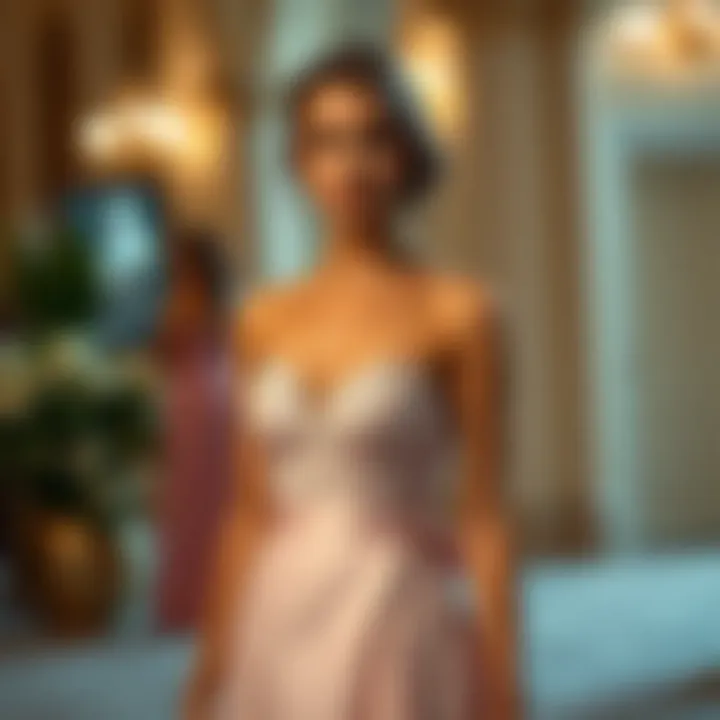
Fit-and-flare styles, on the other hand, combine a fitted bodice with a flared skirt, giving an eye-catching silhouette that accentuates curves without clinging too tightly. This makes these styles ideal for outdoor summer weddings or more casual settings, where movement and breathability are key.
“The right silhouette can make you shine like a diamond at a wedding, while the wrong one can feel like wearing a sack.”
Maxi Dresses vs. Midi Dresses
Maxi dresses flow gracefully down to the ankles, often made of lightweight cotton or chiffon, they offer comfort alongside sophistication. They are perfect for an outdoor ceremony, especially in warmer climates. The swaying fabric can create a stunning effect with movement, making them a crowd favorite. Because of their length, they can be accessorized with bold jewelry or statement belts to add a personal touch.
On the flip side, midi dresses fall between the knee and the ankle, making them a great choice for a more structured look that still provides some playfulness. They are often easier to maneuver in, a huge plus when navigating wedding receptions. Midi dresses can be styled with a cardigan or shrug, offering solutions for chilly evenings.
Tailoring and Customization Options
Not every dress off the rack will fit a lady like a glove. Tailoring is vital. It transforms a mere dress into an outfit that feels as though it was made just for you. Common areas to consider for tailoring include waist adjustments, hemming for length, and altering sleeve lengths. Customized dresses can take on a life of their own, thanks to a tailored fit that resonates through every stitch. Moreover, customization options allow for an infusion of personality—think unique embroidery or selecting specific fabric that suits both the skin and the season.
Embracing sewing alternatives is also a significant trend lately. You might consider collaborating with an indie designer or opting for a boutique that specializes in bespoke options. Creative patterns or limited edition pieces can set you apart, ensuring no one else at the event shows up in the same ensemble.
End
A thoughtful selection of silhouette, along with the choices of styles, can elevate a wedding guest's attire beyond the ordinary. Whether opting for the dainty flow of an A-line, the playful energy of fit-and-flare, or even the custom nuances tailored for you, embracing these choices can ensure that your outfit resonates well with the celebration.
Color Palettes for Wedding Attire
Choosing the right color palette for a wedding guest outfit is not just a matter of preference; it plays a pivotal role in creating the overall vibe of the event. Colors can communicate much — from celebration to solemnity, and even invoke cultural traditions. Getting the right palette can enhance your overall look and help you fit seamlessly into the wedding environment. Here's a closer look at some essential aspects to consider.
Seasonal Color Trends
Weddings are often influenced by the seasons, and the colors you choose can reflect this natural transition. Spring weddings might be adorned with soft pastels like blush pink or lavender, while summer events often lean towards vibrant shades such as coral or teal. When autumn rolls around, rich hues like burgundy or mustard can bring warmth and depth to outfits. And for winter ceremonies, jewel tones like emerald and sapphire are both classy and festive.
Being attuned to these seasonal colors helps wedding guests align their outfits not just with current trends but also with the natural beauty surrounding the occasion.
"Choosing colors that reflect the season can make your outfit feel more appropriate and connected to the environment."
Spring Wedding Color Palette:
- Blush Pink
- Lavender
- Sky Blue
Summer Wedding Color Palette:
- Coral
- Teal
- Lemon Yellow
Autumn Wedding Color Palette:
- Burgundy
- Mustard
- Olive Green
Winter Wedding Color Palette:
- Emerald
- Sapphire
- Deep Plum
Avoiding the Color White
In many cultures, white is traditionally reserved for the bride. As a wedding guest, avoiding this color can be a sign of respect and acknowledgment of the special role the bride plays on her big day. While some might think it’s okay to wear white in a less traditional setting, it’s often better to err on the side of caution. Choosing colors that not only stand out but complement the wedding's theme can showcase your individuality without overshadowing the bride. Opting for shades like cream, champagne, or soft pastels can still keep you in the elegant color range while respecting traditions.
Complementing the Event's Theme
The theme of the wedding often serves as a guideline for color choices. For instance, a beach wedding may call for airy colors like aqua and sandy beige, while a more formal event might necessitate deeper shades like navy or charcoal. Understanding the theme allows you to choose an outfit that not only aligns with the guidelines but also enhances the visual story unfolding on that special day. Think about how your outfit's colors can work harmoniously with the flowers, decorations, and overall ambiance of the event. This thoughtful approach to color selection can elevate your look and ensure you fit within the celebration’s scenic setting.
Whether you decide to go bold or stick to subtle tones, the colors you choose reflect not only your personal style but also an understanding of the occasion. Get to know the nuances and let your outfit speak to the beauty of the day.
Fabric Choices and Their Significance
When it comes to selecting the perfect outfit for a wedding, the choice of fabric plays a pivotal role. Not just a matter of style, the fabric you choose can affect comfort, mobility, and even how you feel throughout the day. Each wedding is unique, and the setting, season, and time of day can dictate which fabrics are appropriate. For example, lightweight materials may be suitable for a summer outdoor wedding, while more sumptuous fabrics might be needed for an indoor winter ceremony.
The right fabric can also elevate the overall aesthetic of your outfit. Luxurious textiles may communicate elegance and refinement, while breathable options can keep you comfortable during warmer months. Beyond aesthetics, considering the fabric’s practicality can lead to a much more enjoyable experience. Think about how a fabric flows, how it handles movement, and its durability throughout the event.
Choosing the appropriate fabric isn’t merely about appearance; it’s about feeling good and celebrating comfortably.
Lightweight Fabrics for Outdoor Weddings
Outdoor weddings, especially in warmer months, require considerations for both comfort and style. Fabrics like chiffon, georgette, and linen can work wonders. Chiffon, with its soft, sheer texture, allows for breathability while still looking effortlessly elegant. Plus, it adds just the right amount of flow as you move.
Linen, being natural and breathable, brings a relaxed vibe to your outfit that perfectly complements an outdoor setting. However, do consider that linen can wrinkle easily, so if you're opting for this fabric, select pieces that are designed with that characteristic in mind. The good news is, the more relaxed look tends to enhance the garment’s charm.
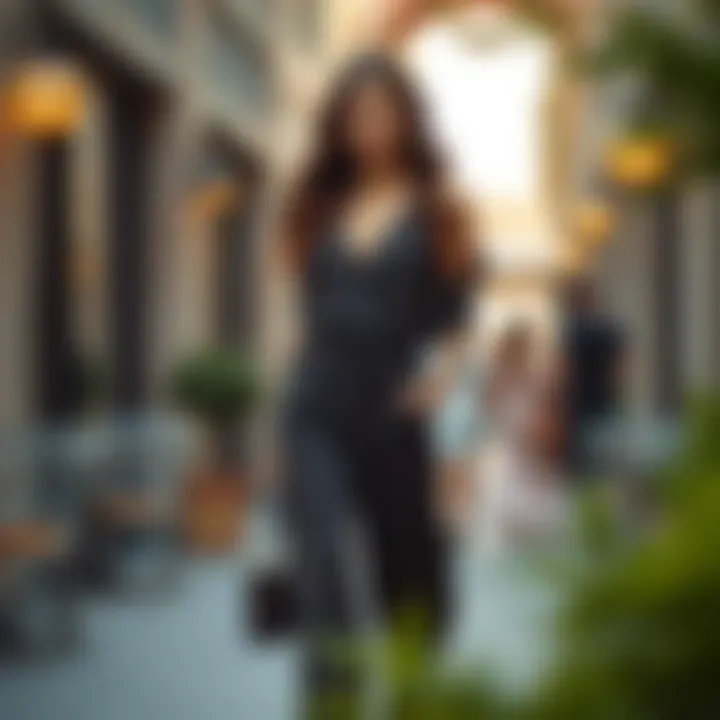
Additionally, cotton blends can provide an excellent balance of structure and comfort. They are sturdy enough to withstand some wear yet flexible enough to allow ease of movement — a vital factor when gathering with friends or partaking in lively wedding festivities.
Luxurious Materials for Formal Occasions
On the flip side, formal weddings call for a different approach regarding fabric. The choice leans toward opulence and sophistication. Fabrics such as silk, satin, and velvet come to mind.
Silk is often considered the gold standard when it comes to elegant wedding wear. With its natural sheen, it captures light beautifully, offering an airy feel. Satin, similar in sheen but heavier, retains structure, making it ideal for formal gowns that require more shape and definition. Its smooth surface can feel outrageous against the skin, promoting comfort even with its glamorous look.
For winter weddings or more formal events, velvet presents an excellent choice. It brings warmth and depth, making it not only regal in appearance but also practical for cooler weather. Velvet has a unique texture that adds visual interest, and though it can be heavier, it really shines in formal environments.
As you're selecting your fabrics, don't forget to think about how they complement your body shape and the distress of personal comfort. Remember, your chosen fabric should enhance not only your look but also your ability to enjoy the day fully.
Accessorizing the Wedding Guest Outfit
Accessorizing a wedding guest outfit can be the cherry on top, a critical component that can tie the whole look together or make it fall flat. Accessories serve multiple purposes; they enhance your style, reflect your personality, and even address practical needs while attending the joyful celebration. Taking into account the wedding theme, formality, and your personal style ensures that your accessories do not just sit on the sidelines but rather actively participate in the ensemble.
Choosing the Right Jewelry
When it comes to jewelry, it’s all about balance. The right pieces can add just the right amount of sparkle without overwhelming the outfit. Consider the neckline of your dress; a simple, elegant chain can complement a deep V-neck, while bold, statement earrings can jazz up a more understated silhouette.
- Chandelier earrings or delicate studs work to accentuate your features without drawing too much attention from the bride.
- Layered necklaces can create a more bohemian look if the wedding has a more relaxed vibe.
Remember, less is often more. If your dress is heavily embellished, you might want to choose simpler jewelry. On the other hand, a simple dress can allow for bold statement pieces.
Bags and Clutches: Form Meets Function
Bags and clutches are often overlooked yet they can be the unsung heroes of a great outfit. Not just a practical item to hold your essentials, they can elevate your look significantly. Opting for a clutch that's ornate or stylish adds flair to your overall appearance.
- Many clutches provide a pop of color that can complement your attire, while others come in subtle tones that serve as a neutral backdrop.
Consider the size and shape of the bag; it should be proportionate to your body and match the occasion. For instance, a sleek, structured design works well for formal weddings, while something more casual may suit a beach wedding.
The Importance of Footwear
Footwear can make or break your wedding day comfort. It’s easy to get swept up in style, but comfort should be a priority, especially when you may find yourself dancing the night away. Choose heels that you can walk in with ease or opt for chic flats if standing for hours isn’t your cup of tea.
- Classic heels can elongate your legs, while ankle boots or ballet flats might offer more comfort.
Strappy sandals can be fun for summer weddings, while closed-toe options might suit cooler weather. Remember, a stylish shoe shouldn't feel like a punishment. Prioritize materials—soft leather can often make for a more comfortable experience than synthetic options.
"A well-chosen accessory not only elevates your physical style but often serves as a reflection of your internal creativity and personal flavor."
By honing in on each of these accessory elements—jewelry, bags, and footwear—you can curate a well-rounded outfit that perfectly complements your role as a wedding guest. With careful thought and consideration to these choices, your look can be both functional and fabulous.
Layering for Different Weather Conditions
When heading to a wedding, many factors come into play, and one of the biggest is the weather. Layering your outfit not only adds a touch of finesse but also ensures comfort throughout the day. A wedding can stretch from an outdoor ceremony to an indoor reception, testing the limits of any fashion choice. This section delves into practical elements of layering, focusing on how to maintain elegance while being prepared for fluctuating temperatures.
Opting for Tailored Jackets and Blazers
A tailored jacket or blazer can elevate any wedding guest outfit and acts as a shield against unexpected chills or a sudden rainy spell. Think about it: you're at the ceremony, and the sun dips behind the clouds. A well-fitted blazer not only adds warmth but also defines your silhouette, making you look put-together even if the weather tries to cramp your style.
Consider materials like lightweight wool or cotton blends for versatility. Though not all weddings call for a full-blown tuxedo jacket, opting for a chic blazer can be a stylish nod to the formal atmosphere.
"A blazer can be a saving grace. It’s like having a safety net for style and comfort!"
Pair it with simple accessories, so the outfit doesn’t lose its charm. You want to balance the visual impact; overly ornate embellishments might clash with the clean lines of a tailored jacket.
Pashminas and Scarves for Elegance
Pashminas or scarves are not just an accessory but a functional piece of art in your outfit arsenal. They can completely transform a plain dress, adding layers of sophistication. When the weather turns brisk, a pashmina can drape elegantly over your shoulders, bringing both warmth and a hint of style.
Choose options in rich colors or patterned fabrics that support the color palette of the wedding. It adds a layer of thoughtfulness to your appearance. Layering with a scarf or pashmina is also about versatility—tie it in a chic knot, let it float down your back, or wrap it around your neck for a different look throughout the day.
- Keep the following in mind while selecting a pashmina:
- Fabric: Go for soft materials like cashmere or silk for a luxe feel.
- Size: Bigger pashminas can be multifunctional; use them as a shawl or a wrap, depending on what the weather dictates.
- Color and Pattern: Choose something that harmonizes with your outfit and doesn’t overpower it.
Incorporating layers into your wedding attire not only enhances your style but also provides the comfort necessary to enjoy all aspects of the day. Equipping yourself with tailored blazers and elegant scarves makes you adaptable and stylish—two essential ingredients for any successful wedding guest outfit.
Embracing Sustainable Fashion Choices
In recent years, the emphasis on sustainable fashion has reached a crescendo. For women attending weddings, this is not just a passing trend but a shift towards mindfulness about how their wardrobe choices affect the planet. The significance of embracing sustainable fashion choices lies in understanding the broader implications of our clothing selections. From the environmental impact of fabric production to the social conditions of garment workers, each choice made resonates far beyond the individual.
Sustainable fashion allows guests to reflect personal style while contributing to a larger cause. It underscores a lifestyle that favors quality over quantity, crafting a wardrobe that is as versatile as it is eco-friendly. When you choose sustainable options for wedding attire, you're not just making a fashion statement; you're making an ethical one.
Exploring Eco-Friendly Fabrics
Opting for eco-friendly fabrics forms the foundational stone of any sustainable wardrobe. These materials are made from sources that minimize harm to the environment. For instance, fabrics like organic cotton, Tencel, and linen are not only biodegradable but also often produced without harmful chemicals. This ensures that fabrics are gentle on the skin and don't contribute to harmful waste in the production process.
- Organic Cotton: Grown without synthetic pesticides, reducing water usage.
- Tencel: Crafted from wood pulp, this fiber boasts a closed-loop manufacturing process that recycles water and solvents.
- Bamboo Fabric: Naturally biodegradable and often grown without the need for pesticides or herbicides.
When women opt for dresses made from these sustainable materials, they express a commitment to quality and conscious consumerism. Additionally, many brands are increasingly transparent about their sourcing practices, enabling consumers to make informed choices. For more detailed insights, check resources like Wikipedia or Britannica.
The Rise of Rental Services for Dresses
With sustainability at the forefront of modern wedding attire, rental services have gained notable traction. These platforms provide a savvy alternative to fast fashion, allowing women to enjoy high-quality garments without the hefty price tag or the environmental footprint of ownership. Brands like Rent the Runway or HURR Collective have redefined how we view special occasion outfits.
- Cost-effective: Renting often comes at a fraction of the purchase price, allowing access to designer dresses.
- Variety: Guests can experiment with styles they might not usually wear, making every wedding an occasion for creative expression.
- Reduced Waste: By renting, you contribute to a circular economy, minimizing the amount of clothing in landfills.
The concept of renting dresses encourages a shift in mindset. Instead of seeking to purchase outfits for one-time wear, women can celebrate occasions in unique styles while practicing sustainability. This trend is not merely about making fashion choices; it's about advocating a lifestyle rooted in respect for the environment.
"Sustainable fashion is not just about changing the world, but also about enhancing personal style in a conscientious way."
Navigating Size and Fit Considerations
Dressing appropriately for a wedding hinges not only on style and color but also on how well the outfit fits. Navigating size and fit considerations is fundamentally crucial as it determines the overall comfort and appearance of the attire. When guests feel good in what they wear, it often reflects confidence and poise, which is especially important on such a joyful occasion.
Understanding that sizes can vary significantly across different brands and styles is the first step. It's wise to take measurements rather than solely relying on numerical sizes. For many women, choosing an outfit that aligns with personal body shape rather than a conventional size can improve the shopping experience. When an outfit complements one's unique physique, it feels less like a compromise and more like a celebration of individuality.
Understanding Body Types
Every woman has a distinct body shape, and recognizing this can greatly influence clothing choices. Body types commonly include apple, pear, hourglass, and rectangle shapes. Each type can enhance certain features, serving as a guide when selecting clothing that flatters.
- Apple Shape: Focus on dresses that cinch at the waist, which provides definition. Look for A-line silhouettes that flow from the waist down.
- Pear Shape: Outfits that accentuate the waist and draw attention upward can be effective. Tops with embellishments or rich color can balance proportions.
- Hourglass Shape: This body type looks great in fitted dresses that highlight the waist. Consider styles that embrace curves rather than mask them.
- Rectangle Shape: Adding layers or ruffles can create curves and depth. Wrap dresses can offer the illusion of shape.
Fit Issues for Formal Attire
Fit issues arise frequently in formal wear, making the choice of outfits even more critical. Here are some concerns women might face:
- Too Tight or Loose: Striking that balance can be tricky. A dress that is too tight can lead to discomfort and embarrassment, while one that is too loose may give the impression of an ill-fitted garment.
- Length: For maxi dresses or long gowns, ensure they don’t drag on the floor or create tripping hazards. A quick alteration can often save the day here.
- Shape Adjustments: Formal dresses often come with built-in structure, but relying fully on these features can lead to awkward fits. When possible, consider having a tailor adjust the dress to truly fit individual curves.
Ultimately, ensuring a good fit may take some trials, but it is well worth the effort. Seek workarounds if necessary, such as using belts or shapewear, and don’t shy away from alterations.
The goal is to feel at ease while celebrating with loved ones, not constantly adjusting or feeling self-conscious. As you navigate the world of wedding guest attire, remember that fit can elevate even the simplest dress into a stunning look.
Remember, great fitting clothes not only enhance appearance but can improve self-confidence, leading to a more pleasant experience on the big day.
For further insights and practical details about different body shapes or fit issues, consider visiting Wikipedia or other reputable resource platforms.
Final Thoughts on Wedding Guest Outfits
Dressing for a wedding is more than just throwing on a nice outfit; it’s about striking the right chord between personal style and tradition. This segment serves as a final reflection on the key points covered in our exploration of female wedding guest attire. Understanding the nuances involved not only enhances your look but also shows respect for the event and its significance.
Balancing Personal Style with Tradition
Finding the balance between your individuality and the formal aspects of a wedding can be a tightrope walk. On one hand, you want to express who you are through your clothing—perhaps by incorporating vibrant colors or unique patterns that resonate with your personality. On the other hand, keeping an eye on tradition is crucial. Weddings often come with a set of unspoken rules.
For instance, wearing something that honors the couple’s culture or traditions signifies respect. A flowing maxi dress with ethnic motifs can be a beautiful nod to the couple’s heritage while still keeping your flair intact.
A few tips to remember:
- Research the Wedding Theme: If it's a beach wedding, opt for lighter fabrics, but steer clear of over-the-top embellishments.
- Color Coordination: While your style matters, the color palette might be guided by the wedding's theme or season. Consider incorporating colors from the bridal party’s attire, reflecting harmony and blending into the setting.
- Update Vintage Styles: Vintage never goes out of style, but adding a modern twist can help you look fresh while honoring past trends.
The Significance of Comfort on Special Days
Comfort might seem secondary amidst the chaos of choosing an outfit adorned with the latest trends. However, it should carry weight in your decision-making process. Special days can stretch for hours, and the last thing you want is to fidget in a restrictive dress or unbearable heels.
Opting for breathable fabrics—like cotton blends or soft silk—can make a world of difference. Consider outfits that allow some stretch or motion, especially if you plan to dance the night away.
In summary, comfort impacts your confidence. If you love your outfit and feel at ease, it translates into your body language and overall demeanor. Ask yourself:
- Can I move freely?
- Will I want to sit in this for hours?
- Are these shoes walkable?
Ultimately, wrapping up this guide, navigating the waters of wedding guest attire is about much more than just appearance. It requires thoughtfulness and effort to create a look that is both personally satisfying and appropriate for the occasion. With the right balance between personal flair and respect for the event, every guest can step into the celebration feeling fantastic and festive.